Your Complete Guide to Sustainable Paper Bag Packaging Solutions
The transition to eco-friendly packaging is greater than a trend; it represents a growing consumer demand for sustainable practices. Paper bags, especially those produced from Kraft and recycled materials, provide viable solutions for businesses seeking to reduce their environmental footprint. Understanding the nuances of sustainable packaging can be challenging. However, recognizing the merits and innovations in paper bag design can provide a pathway for companies seeking to enhance their brand image while promoting environmental responsibility.
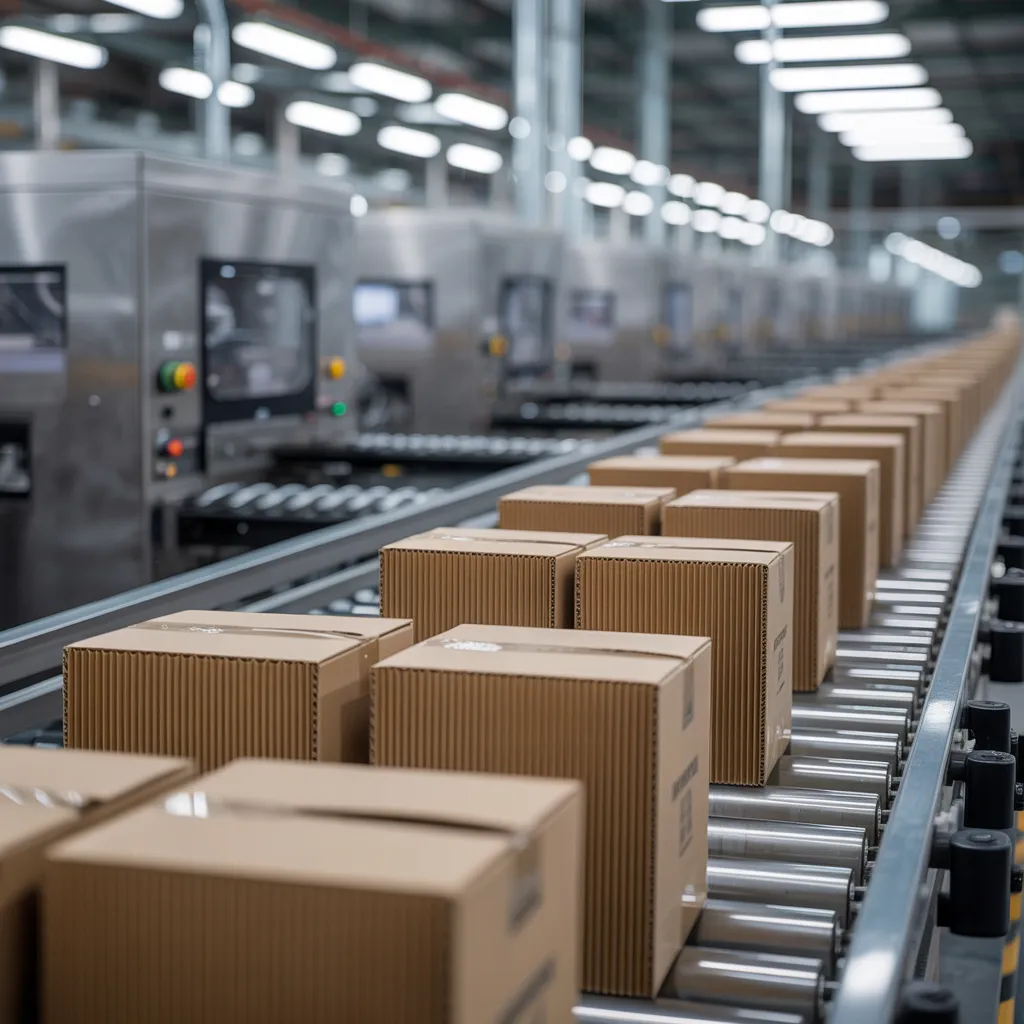
Grasping the Ecological Effect of Packaging
With growing consumer awareness of environmental impact, understanding the environmental impact of packaging has never been more essential. Packaging serves as a primary contributor to waste and pollution, with many conventional materials, such as plastic, taking centuries to decompose. The extraction of raw materials, energy consumption during creation, and transportation emissions further exacerbate the environmental burden. In contrast, eco-friendly packaging solutions work to diminish this impact by employing sustainable materials and processes. These alternatives often emphasize recyclability, biodegradability, and renewable resources, lessening ecological harm. Additionally, the shift towards eco-conscious consumer behavior has motivated businesses to examine their packaging choices carefully. By implementing environmentally responsible packaging, companies not only elevate their brand image but also contribute beneficially to the planet. In conclusion, understanding the environmental impact of packaging empowers consumers and businesses alike to make informed decisions that promote sustainability.
Categories of Environmentally Friendly Paper Bags
The array of eco-friendly paper bags offered today includes bags made from Kraft paper, recycled paper options, and biodegradable options. Every option provides distinct advantages for environmentally conscious consumers and businesses. Understanding these alternatives is crucial for making environmentally responsible packaging choices.
Paper Kraft Bags
Kraft paper bags stand out as a flexible and eco-friendly choice for sustainability-focused consumers and businesses alike. Made from biodegradable and unbleached paper, these bags provide a natural look and feel, making them excellent for packaging food and retail products. Their robust construction enable the transportation of diverse products, from food items to presents, without compromising quality. Moreover, kraft paper bags are offered in multiple sizes and styles, including flat and gusseted designs, addressing different demands. The bags can be conveniently personalized with prints and logos, enhancing branding initiatives while advancing environmental responsibility. By choosing kraft paper bags, businesses can synchronize their packaging choices with eco-friendly practices, thus engaging a growing demographic that values environmentally friendly alternatives.
Recycled Paper Solutions
Recycled paper choices provide a green substitute to conventional packaging materials, strengthening the green principles established by kraft paper bags. These alternatives use post-consumer waste, substantially decreasing the demand for virgin materials. Common types of recycled paper bags include those produced from 100% recycled content, which can be further classified into multiple grades based on thickness and durability. Moreover, recycled paper bags can be printed using eco-friendly inks, reducing environmental impact while maintaining visual attractiveness. Their adaptability enables for use in multiple retail settings, from small stores to grocery stores. By opting for recycled paper bags, businesses not only support waste reduction efforts but also appeal to environmentally conscious consumers seeking sustainable choices.
Environmentally Friendly Paper-Based Variants
Biodegradable paper variants offer an innovative approach to eco-friendly packaging, responding to the growing demand for sustainable solutions. These bags are usually made from natural fibers that decompose within a short time frame when exposed to environmental conditions. Common types include kraft paper bags treated with biodegradable coatings, which boost their durability while maintaining their eco-friendly status. Additionally, some biodegradable paper options incorporate plant-based materials, further promoting sustainability. Companies choosing these bags benefit from a reduced carbon footprint and a positive brand image, appealing to environmentally conscious consumers. As awareness of environmental issues grows, biodegradable paper alternatives are becoming a preferred choice for packaging, demonstrating a commitment to sustainability without compromising functionality.
Advantages of Utilizing Paper Bags for Your Business
With consumers placing growing emphasis on sustainability, businesses that implement paper bag packaging can strengthen their brand image while appealing to environmentally conscious customers. Utilizing paper bags demonstrates a commitment to eco-friendly practices, cultivating customer loyalty. This packaging option is often viewed as more natural and less harmful to the environment compared to plastic alternatives, making it an attractive choice for businesses seeking to differentiate themselves.
In addition, paper bags are versatile and can be customized to reflect a brand's identity, which can enhance brand recognition. They offer remarkable strength compared to plastic, allowing for the safe transport of goods. In similar information addition, paper bags are eco-friendly and recyclable, matching the growing demand for sustainable products.
Adopting paper bags can also bring about potential cost savings in waste management, as consumers are more likely to reuse them. In summary, using paper bags can substantially benefit businesses concerning brand perception, customer loyalty, and environmental responsibility.
Creative Concepts in Paper Bag Pack Solutions
Innovative designs in paper bag packaging have emerged as a vital element in the modern retail landscape, capturing the attention of both consumers and businesses alike. Such innovations both elevate visual attractiveness and advance practical utility along with customer satisfaction. Creative shapes, unique closures, and vibrant prints allow brands to stand out on crowded shelves while conveying their identity effectively.
Moreover, customization options allow businesses to adapt packaging to specific products or target demographics, building a stronger connection with consumers. Features such as reinforced handles and eco-friendly coatings enhance durability without compromising sustainability.
The integration of technology, including QR codes and augmented reality features, deepens the connection with customers, introducing an interactive dimension to the shopping experience. As sustainability grows in importance, these innovative designs showcase a commitment to both style and environmental consciousness, guaranteeing that paper bags remain a top choice for modern retailers looking to balance aesthetics with eco-consciousness.
Acquiring Environmentally Friendly Materials for Paper Bags
Procuring sustainable materials for paper bags requires a focus on renewable resources and the strengths of recycled paper. Using these materials not only decreases environmental impact but also strengthens the overall sustainability of packaging solutions. Additionally, obtaining certifications for sustainability can further verify the eco-friendly claims related to paper bag production.
Sustainable Resource Choices
When examining eco-friendly paper bag packaging solutions, the option of sustainable materials plays a critical role in reducing environmental impact. Renewable resource options, such as bamboo, hemp, and sustainably sourced wood pulp, offer robust alternatives to traditional materials. Bamboo, renowned for its rapid growth and minimal resource requirements, provides a sturdy paper option. Hemp fibers are not only robust but also require less water and pesticides compared to conventional crops. Furthermore, wood pulp from responsibly managed forests ensures that the paper production process does not contribute to deforestation. By utilizing these renewable resources, manufacturers can create green paper bags that support sustainable practices while meeting consumer needs, ultimately contributing to a circular economy and reducing relying on non-renewable materials.
Advantages of Using Recycled Paper
Recycled paper offers an attractive choice for sustainable packaging, complementing the use of renewable resources. Utilizing post-consumer waste substantially reduces the demand for virgin materials, thus preserving forests and minimizing environmental degradation. The production of recycled paper typically requires less energy and water versus traditional paper manufacturing, which not only lowers carbon emissions but also preserves valuable resources. Furthermore, recycled paper helps divert waste from landfills, fostering a circular economy where materials are repurposed rather than discarded. By opting for recycled paper in packaging solutions, businesses can enhance their sustainability practices while attracting environmentally conscious consumers. This choice reflects a commitment to minimizing environmental impact and supporting sustainable development goals.
Sustainability Credentials
Several certifications exist to help businesses in sourcing sustainable materials for paper bags, ensuring that environmental standards are met. Important certifications include the Forest Stewardship Council (FSC), which advocates for responsible forest management, and the Sustainable Forestry Initiative (SFI), which focuses on sustainable practices in forestry. Additionally, the Cradle to Cradle Certified™ designation examines products based on their environmental and social performance throughout their lifecycle. Additionally, the Global Recycle Standard (GRS) validates recycled content and responsible production practices. By observing these certifications, companies can show their commitment to sustainability, boost their brand reputation, and attract eco-conscious consumers. Finally, these certifications function as essential tools for businesses seeking to minimize their ecological footprint while contributing to a more sustainable future.
Strategies for Switching to Green Packaging Systems
Moving toward sustainable packaging options can considerably benefit both organizations and the environment. To commence this change, companies should first examine their current packaging materials and identify aspects for improvement. It is essential to research different sustainable solutions, such as recycled paper, biodegradable plastics, or compostable materials. Collaborating with suppliers who focus on sustainability can help optimize this process.
Following this, businesses should educate their workforce and clientele about the positive aspects of eco-friendly packaging, promoting a culture of environmental consciousness. Incrementally rolling out changes, such as beginning with a single product line or seasonal packaging, can facilitate the transition. Moreover, soliciting feedback from customers can provide understanding into the impact and desirability of the new packaging.
Finally, monitoring the environmental impact and monitoring progress will help businesses refine their strategies, making certain that they remain dedicated to sustainability while satisfying consumer demands.
Questions & Answers
Is Multiple Recycling Possible for Paper Bags?
Paper bags can typically be recycled multiple times, contingent upon their condition and the available recycling facilities. Nonetheless, repeated recycling may weaken the fibers, rendering the material less suitable for further use in packaging.
What Certifications Exist for Eco-Friendly Paper Bags?
Yes, multiple certifications are available for eco-friendly paper bags, including certifications such as FSC (Forest Stewardship Council), SFI (Sustainable Forestry Initiative), and Cradle to Cradle. These certifications verify sustainable sourcing and environmentally responsible production practices for packaging materials.
How Can I Properly Dispose of Paper Bags?
Proper disposal of paper bags involves recycling them in designated bins, ensuring they are clean and dry. In cases where recycling is unavailable, composting offers an environmentally conscious alternative, given that paper bags decompose naturally over time.
Can You Compost Paper Bags?
Yes, paper bags can be composted, provided they are free from plastic coatings and contaminants. They naturally decompose, enriching the soil and reducing waste in landfills, which makes them an environmentally friendly option for composting purposes.
What's the Price Difference Between Paper and Plastic Bags?
While costs vary depending on region and supplier, paper bags typically cost more to produce than plastic bags. Nevertheless, costs can change based on the availability of materials and environmental regulations.